Farmland in Augusta: Guide for Buyers and Sellers
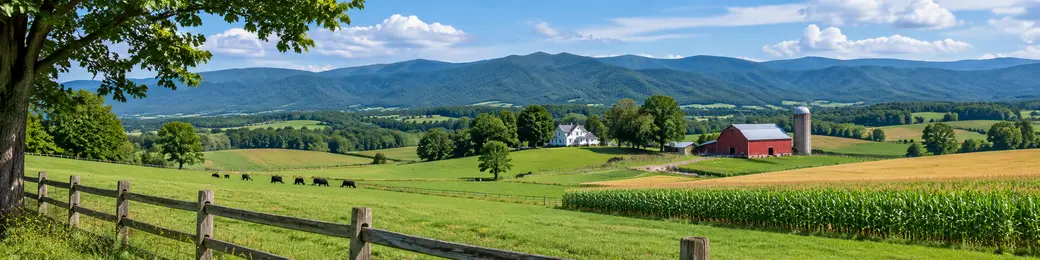
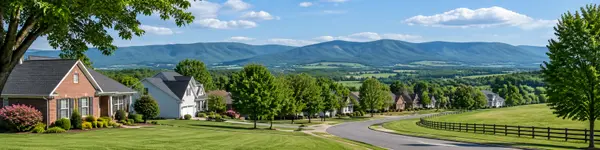
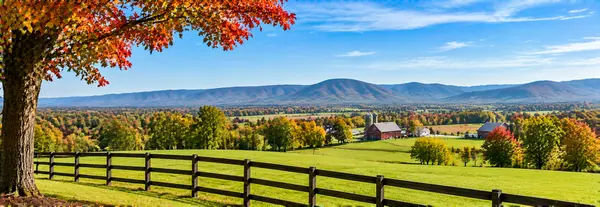
Farmland in Augusta County is worth more than its acreage alone. Productive ground, dependable water, usable access, improvements, and the family history tied to a property can all shape a farm's practical value and market appeal.
For buyers, the right farm should support a clear operating or lifestyle plan. For sellers, a well-documented property gives serious buyers a better understanding of how the land works. Whether a property includes pasture, cropland, barns, woodland, or a farmhouse, the details beneath the surface often matter as much as the view from the road.
Augusta County Farmland by the Numbers
Augusta County is one of Virginia's leading agricultural counties, which shapes both buyer interest and the kinds of farms that come to market. The figures below come from the USDA's 2022 Census of Agriculture, the most recent county-level count.
- Number of farms: 1,460
- Land in farms: 243,974 acres, the second-largest total of any Virginia county
- Average farm size: 167 acres
- Market value of agricultural products sold: about $448.3 million, ranking second in the state
Both the number of farms and the acreage in farms declined between 2017 and 2022. For sellers, that tells part of the story: well-located, productive acreage is not being replaced, and buyers who need land have fewer tracts to choose from.
Who Buys and Sells Farmland in Augusta County
Farmland in Augusta County attracts working farmers, expanding operations, investors, and lifestyle buyers who may value the same acreage for very different reasons.
A working farmer may focus on field layout, grazing capacity, water access, fencing, and equipment storage. An expanding operation may need adjoining acreage, dependable road access, or buildings that support livestock and machinery. Investors may evaluate income potential, long-term stewardship, and the flexibility of the parcel's permitted uses.
Lifestyle buyers often look for a manageable farm with room for horses, gardens, livestock, privacy, or a country residence. Their priorities can differ from those of a commercial operator, but they still need to understand how the land performs in wet weather, dry periods, and daily travel across the property.
Sellers benefit from identifying the most likely buyer early. A farm suited to a cattle operation may need to be presented differently from an equestrian property, an estate with acreage, or a smaller homestead opportunity.
What to Look for When Buying
Buyers should start with soil, water, access, and improvements because these features determine how a farm can be used day to day.
Open acreage is not automatically usable acreage. Consider slope, drainage, field shape, wooded sections, and the relationship between pasture, barns, roads, and any residence. A smaller tract with well-positioned fields and reliable water can be more functional than a larger parcel with difficult terrain.
Soil research should go beyond a visual walk of the property. The USDA Natural Resources Conservation Service's Web Soil Survey can help buyers review soil types, drainage characteristics, and potential limitations for a specific tract.
Water deserves equal attention for livestock, crops, household use, and general land management. Identify whether the property relies on wells, springs, ponds, streams, or another source, then consider the practical condition and location of those features.
Access should also be clear and dependable. Road frontage, shared lanes, gates, bridges, and recorded rights-of-way can affect daily operations as well as future resale. Buyers should consider the condition and capacity of barns, fencing, feed storage, farm roads, and utility connections before assuming that existing improvements fit their plans.
Buyers should also confirm parcel zoning, mapped boundaries, and requirements for planned construction or land changes with Augusta County's community development and assessing offices before relying on a particular use.
How Farmland Is Valued
Farmland is valued through productivity, location, improvements, and comparable sales rather than a simple price-per-acre formula.
Productive soils, usable pasture, water availability, fencing, barns, road access, and field configuration can all influence value. So can privacy, views, proximity to services, and appeal for a particular use such as livestock, horses, crops, recreation, or a country estate.
Comparable sales remain important, but the best comparisons are properties with similar physical characteristics and potential uses. A parcel with a strong barn complex, productive bottomland, or established fencing may compete differently from nearby acreage that lacks those features.
A local valuation should also account for whether a property's current use, access arrangement, and improvements align with the buyer pool it is likely to attract. Land that appears versatile may still have practical limits based on its configuration, existing infrastructure, or land-use requirements.
For sellers, organized records about improvements and land use can make the property's strengths easier to understand. A property-specific value estimate is a better starting point than any countywide per-acre figure. For buyers, comparing farms by function instead of acreage alone can lead to clearer decisions.
Water Rights and Irrigation
For Augusta County farmland buyers, water due diligence begins with confirming the legal source, permitted use, and reliability of each well, spring, pond, or stream.
A farm may have a well, spring, pond, stream frontage, or another water feature, but each source should be understood in the context of the buyer's intended use. A pond that serves livestock may not meet every irrigation need. A spring can be valuable, yet its seasonal reliability and location still matter.
Buyers should review recorded easements, shared-use arrangements, permits, or restrictions connected to water access. Drainage patterns, flood-prone areas, crossings, and the cost of maintaining troughs, pumps, lines, and fencing near water also deserve attention.
Virginia regulates certain larger agricultural water withdrawals and water-related construction through state programs. Owners should confirm whether reporting, permitting, or conservation requirements apply to the property's intended operation.
Sellers can strengthen a farm's presentation by organizing known records about wells, ponds, springs, irrigation equipment, and water-related improvements. Clear information gives buyers a more complete view of how the land functions.
Financing Farm and Ranch Property
Farm and ranch property often requires financing structured differently from a standard residential purchase.
Lenders may look closely at acreage, property use, farm income, improvements, residence value, and the borrower's operating plan. Vacant land, working farms, and properties with a home plus substantial acreage can each be evaluated differently.
Agricultural lenders and rural lending programs may be appropriate when a property will support an active farming operation or when conventional financing does not fit the acreage and use. The USDA Farm Service Agency outlines farm ownership loan programs that may support eligible purchases, development, or expansion of agricultural operations.
Buyers should speak with lenders early enough to understand down-payment expectations, loan terms, documentation requirements, and how agricultural improvements are treated. A clear plan helps lenders evaluate whether the property will be used for livestock, crops, horses, a family homestead, recreation, rental income, or another purpose.
Agricultural Tax Programs
Agricultural tax programs can reduce carrying costs for qualifying land, but buyers and sellers need to understand local requirements before a transaction closes.
Virginia law allows localities to assess qualifying agricultural, horticultural, forest, or open-space land at its use value rather than full market value. Augusta County participates through its Land Use Program, administered by the Commissioner of the Revenue. State law sets minimum acreage for eligibility, generally five acres for agricultural or horticultural use and 20 acres for forest use, and the county sets its own application deadlines and procedures.
It helps to think of the program as a deferral rather than a discount. A buyer should confirm the current status of any enrollment and understand what is required to continue participation after closing. A change in use, a division of land, or a change in ownership can affect eligibility and may trigger rollback taxes on the deferred amount.
Sellers should disclose known enrollment information and retain records showing how the land has been used. This preparation gives buyers a clearer picture of ongoing obligations and potential costs. Augusta County's 2026 real estate tax rate is $0.52 per $100 of assessed value, which applies to the home and any land not covered by use-value assessment.
Selling a Family Farm
Selling a family farm begins with transition planning, especially when the property carries shared ownership, operating history, or long-term family expectations.
Many farms hold both financial and personal value. The land may have supported a family for generations, served as a working operation, or included homes, barns, timber, pasture, and equipment that require separate decisions. Before listing, owners should discuss goals, timing, ownership interests, and which assets are included in the sale. When the farm has passed through an estate, the steps in selling an inherited property in Virginia often need to be settled first.
A practical sale plan organizes the information buyers need to understand the land:
| Buyer review item | Seller preparation |
|---|---|
| Soil and field conditions | Surveys and available field maps |
| Water sources and access | Well, pond, spring, or irrigation records |
| Road frontage and easements | Access information and recorded agreements |
| Barns, fencing, and utilities | Improvement records and maintenance details |
| Land-use status | Land Use Program and tax documentation |
| Existing farm use | Lease information and current-use details |
Pricing should reflect the full property, not only the number of acres. Productive land, buildings, water, views, privacy, frontage, and future potential may all contribute to a farm's position in the market.
Owners who plan to reinvest in other real estate may also want to look at whether a 1031 exchange could apply to the investment portion of the sale, since the timing rules need to be planned before closing.
Leasing vs. Selling
Leasing can keep farmland productive while preserving ownership, while selling may better serve a family's financial or long-term planning goals.
A lease can provide income and allow an owner to retain the land for future family use, investment, or estate planning. It may suit owners who no longer want to operate the farm directly but value continued agricultural use.
Selling can make sense when the property no longer fits the family's needs, when multiple owners want a clean transition, or when the owner prefers to convert equity toward other goals. A sale can also remove responsibilities tied to roads, fences, buildings, insurance, and land-management decisions.
The right choice depends on income needs, family plans, the condition of the property, and the owner's willingness to remain involved. Written lease terms and clear expectations are especially important when farmland will continue to be used by another operator.
Farmland in Augusta County rewards preparation because soil, water, access, improvements, tax status, local land-use considerations, and family goals all affect the transaction.
Buyers should focus on how the land supports their intended use, not only how it appears from the road. Sellers should prepare records and explain the property's working features so qualified buyers can recognize its value. Careful planning creates a stronger path forward for farms of every size and purpose.
Talk Through a Farm Purchase or Sale
Myra Beams is a Broker Associate with Real Broker, LLC, with more than 40 years of real estate experience (Virginia license no. 0225268251), including residential land, investment property, inherited estates, and 1031 exchanges. She has listed working farms in Augusta County, including large acreage with ponds, outbuildings, and a main residence.
Reach out about:
- A value estimate based on productivity, improvements, and comparable sales
- Guidance on water, Land Use Program status, and leases that affect the deal
- Referrals to agricultural lenders, appraisers, surveyors, and attorneys
Call or text (540) 448-3874, email mwbeams@gmail.com, or use the contact page.
Frequently Asked Questions
What makes farmland valuable?
Farmland value depends on how well the land and its improvements support a buyer's intended use. Soil quality, water sources, field layout, access, fencing, barns, location, and comparable sales can all influence buyer interest and pricing.
Can I get a regular mortgage for farmland?
A conventional loan may work for certain farm properties, but agricultural lending is often more suitable for substantial acreage or an active operation. Available options depend on the land, improvements, intended use, and borrower qualifications.
Does Augusta County's Land Use Program transfer to a buyer?
Enrollment should be verified during the transaction instead of presumed to continue automatically. Buyers should confirm the property's current status, documentation, county requirements, and potential rollback-tax exposure with the Augusta County Commissioner of the Revenue.
Should I lease or sell my farmland?
The better path depends on your income needs, family plans, management capacity, and long-term goals for the property. Leasing may preserve ownership and agricultural use, while selling can create a complete transition and reduce ongoing responsibilities.
Categories
Recent Posts